



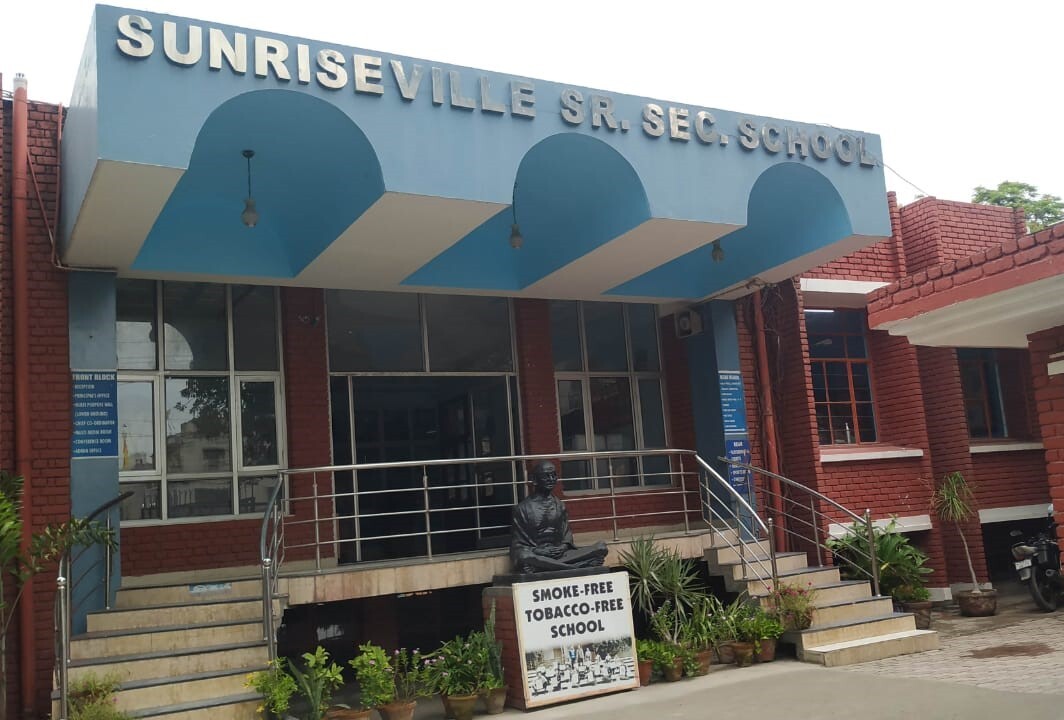
Choosing the right senior secondary school is one of the most important decisions parents make for their child’s future. The senior secondary years play a crucial role in shaping academic performance, career aspirations, personality development, and life skills. As students prepare for higher education and future careers, the school environment becomes a significant factor in their overall growth and success.
With numerous options available, it is essential to evaluate schools carefully and identify the features that contribute to a high-quality educational experience. Here are the most important factors parents should consider when selecting a senior secondary school.
Strong Academic Foundation
Academic excellence remains one of the primary considerations when choosing a senior secondary school. A strong curriculum should not only help students perform well in board examinations but also develop conceptual understanding and analytical thinking.
Look for schools that:
- Follow a recognized curriculum such as CBSE.
- Focus on conceptual learning rather than rote memorization.
- Encourage critical thinking and practical application.
- Maintain consistent academic performance.
- Offer support for board examination preparation.
A school that balances academic rigor with student well-being helps learners achieve their full potential.
Experienced and Qualified Faculty
Teachers play a vital role in shaping student success during senior secondary education. Experienced educators not only deliver subject knowledge effectively but also mentor students through important academic and career decisions.
Parents should consider whether the school has:
- Qualified and experienced faculty members.
- Subject specialists for higher classes.
- Personalized academic support.
- A student-friendly teaching approach.
- Regular teacher training programs.
Effective teachers inspire confidence and encourage students to become independent learners.
Stream Options and Subject Flexibility
Every student has unique interests, strengths, and career goals. A good senior secondary school should provide a variety of academic streams and subject combinations to accommodate diverse aspirations.
Students may wish to pursue:
- Science
- Commerce
- Humanities
- Emerging interdisciplinary subjects
Flexible subject choices allow students to align their education with future academic and professional ambitions.
Career Guidance and Counseling
Senior secondary education is often the stage when students begin making important career decisions. Professional guidance can help them understand available opportunities and make informed choices.
A strong career guidance program may include:
- Career counseling sessions
- Aptitude assessments
- Stream selection support
- College admission guidance
- Competitive exam preparation awareness
Schools that prioritize career planning help students confidently navigate their future pathways.
Modern Learning Infrastructure
The learning environment significantly impacts student engagement and achievement. Modern infrastructure supports both academic and practical learning experiences.
Important facilities include:
- Smart classrooms
- Well-equipped science laboratories
- Computer laboratories
- Library resources
- Innovation and activity spaces
Technology-enabled learning environments help students develop digital literacy and research skills essential for higher education and future careers.
Focus on Skill Development
Today’s students need more than academic knowledge to succeed. Schools should actively promote essential life skills and future-ready competencies.
Key skills include:
- Communication
- Leadership
- Problem-solving
- Collaboration
- Critical thinking
- Creativity
- Time management
Schools that emphasize skill development prepare students for both academic and professional success.
Opportunities Beyond Academics
A well-rounded education extends beyond classroom instruction. Co-curricular and extracurricular activities help students discover talents, build confidence, and develop leadership qualities.
Look for schools that offer:
- Sports programs
- Music and dance activities
- Debate competitions
- Science and technology clubs
- Literary activities
- Cultural events
- Community service opportunities
Participation in diverse activities contributes to overall personality development.
Student Well-Being and Emotional Support
Academic pressure can be significant during senior secondary years. Schools should create a supportive environment that prioritizes student well-being and emotional health.
Important indicators include:
- Positive school culture
- Student counseling services
- Anti-bullying policies
- Stress management support
- Teacher-student mentorship
A nurturing environment allows students to perform confidently while maintaining a healthy balance.
Safety and Security Measures
Parents should always evaluate the safety standards of a school before making a decision.
A reliable school should have:
- Secure campus facilities
- CCTV surveillance
- Trained staff
- Emergency response protocols
- Safe transportation systems
A secure environment provides peace of mind for both students and parents.
Parent-School Communication
Effective communication between schools and families contributes significantly to student success.
Look for schools that maintain:
- Regular parent-teacher interactions
- Academic progress updates
- Digital communication platforms
- Transparent policies
- Active parent engagement initiatives
Strong partnerships between parents and educators help create a supportive learning ecosystem.
Preparing Students for Future Success
The ultimate goal of senior secondary education is to prepare students for life beyond school. Whether students pursue university education, professional courses, entrepreneurship, or other career paths, schools should equip them with the knowledge, confidence, and adaptability needed for future success.
Future-ready schools focus on:
- Academic excellence
- Career preparedness
- Technological competence
- Global awareness
- Ethical values
- Leadership development
These qualities help students thrive in an increasingly competitive and dynamic world.
Why Sunrise Ville School Stands Out
At Sunrise Ville School, we understand that senior secondary education is a transformative phase in a student’s journey. Our approach combines academic excellence with skill development, career guidance, modern learning facilities, co-curricular opportunities, and personalized attention.
We strive to create an environment where students can excel academically while developing confidence, leadership abilities, creativity, and strong values. Through experienced faculty, innovative teaching methodologies, and a commitment to holistic growth, we help prepare students for higher education and lifelong success.
Conclusion
Selecting the right senior secondary school requires careful consideration of multiple factors beyond examination results. Academic quality, experienced teachers, career guidance, infrastructure, skill development opportunities, student well-being, and holistic growth all contribute to a student’s long-term success.
By choosing a school that nurtures both academic achievement and personal development, parents can provide their children with a strong foundation for future opportunities and accomplishments.
At Sunrise Ville School, we remain committed to empowering students with the knowledge, skills, and confidence needed to succeed in an ever-evolving world.
Frequently Asked Questions
1. Why is choosing the right senior secondary school important?
Senior secondary education significantly influences a student’s academic performance, career choices, personality development, and future opportunities.
2. What academic streams should a good senior secondary school offer?
A quality senior secondary school should offer Science, Commerce, and Humanities streams along with flexible subject combinations to support diverse career goals.
3. How important is career counseling in senior secondary school?
Career counseling helps students understand their strengths, explore career options, choose appropriate streams, and plan for higher education.